Protein Powder: What It Is, When to Use It & How It Helps Muscle Growth

Protein Powder – Necessary for Muscle Growth?
Leave Weakness Behind – one scoop at a time.
Jump to Section:
What Is Protein Powder?
Protein powder isn’t magic. It’s just food – concentrated.
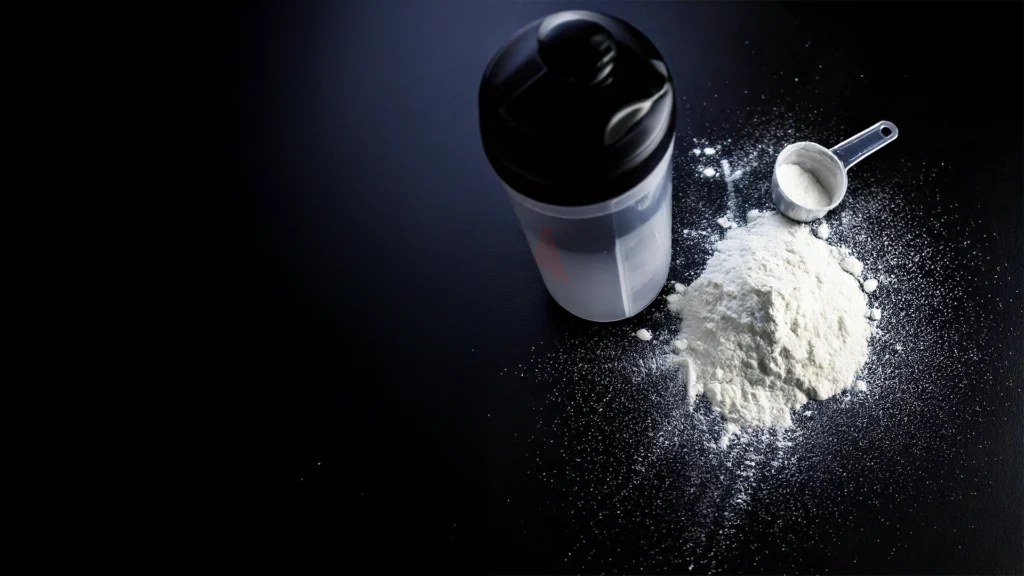
Whether it comes from whey, casein, soy, pea, or egg, protein powder is a convenient way to hit your daily protein target. It’s made by extracting protein from whole food sources and turning it into powder for easy mixing and fast digestion.
That’s it. Nothing fancy. No secrets. Just amino acids in a scoop.
Is Protein Powder Necessary?
No.
But that doesn’t mean it’s useless.
You can build muscle without it – as long as you eat enough high-quality protein through whole foods like meat, fish, eggs, dairy, and legumes.
But that’s not always easy, especially if:
You have a high protein goal (1.6–2.2 g per kg bodyweight)
You’re busy, traveling, or have little appetite
You eat plant-based and struggle to get complete proteins
That’s where protein powder becomes powerful:
Not essential, but incredibly practical.
Learn all about pre-workout ↓
The Different Types of Protein Powder
Not all powders are created equal. Here’s what you need to know:
➤ Whey Protein
The king of convenience. Made from milk during the cheese-making process.
Whey Concentrate: ~70–80% protein, contains small amounts of fat/lactose
Whey Isolate: ~90%+ protein, lower in carbs and lactose – great if you’re sensitive
Whey is absorbed quickly and rich in leucine, which is the key amino acid for triggering muscle protein synthesis.
➤ Casein Protein
Also from milk, but digested slowly – releasing amino acids over several hours.
Great for:
A pre-bed protein hit
Keeping you full longer during the day
➤ Plant-Based Proteins
Includes pea, rice, soy, hemp, etc.
Some (like soy) are complete proteins, but most are best when blended to cover all essential amino acids. Good options for vegans or people with dairy intolerance.
➤ Egg Protein
Less common, but highly bioavailable.
Made from egg whites – no fat, no lactose, high protein.
When Should You Use Protein Powder?
Use protein powder when it helps you:
Hit your daily protein intake (e.g., 160g for someone weighing 80kg)
Get a quick meal post-workout or between meetings
Fill gaps when you can’t eat “real food”
Best times to use it:
→ After training – fast-digesting protein helps muscle recovery
→ Between meals or as a snack
→ In smoothies, oats, or recipes for convenience
But remember:
Total daily intake matters more than timing.
Common Myths About Protein Powder
Let’s debunk the fluff.
→ “Your body can only absorb 30g at a time”
False. Research shows you can utilize much more – even 100g+ per meal – especially if you train hard and spread your meals out strategically.
→ “Protein powder damages your kidneys”
Only relevant for people with pre-existing kidney disease. For healthy individuals, there’s no evidence of harm from high protein intakes .
→ “It makes you bulky”
Protein helps build lean mass.
If you get “bulky,” it’s because you’re in a calorie surplus – not because of the powder.
How to Choose the Right One
Don’t fall for marketing hype.
Here’s what to look for:
Protein per serving: Aim for 20–25g per scoop
Low sugar, low filler: Skip the ones packed with junk
Digestibility: Go for isolate if lactose bothers you
Taste & texture: If you hate it, you won’t use it
Pro tip:
Try a sample size first or go with a trusted brand that prioritizes transparency.
Final Thoughts: It’s a Tool, Not a Shortcut
Protein powder doesn’t replace effort.
It doesn’t replace whole food.
And it won’t do the work for you.
But it’s a valuable tool when used correctly.
So don’t fear the scoop.
Fear skipping meals.
Fear weakness.
Leave Weakness Behind – with muscle, momentum, and meals that fuel you.